Our Ancestors, Gotras and Goddesses
Discover the essence of our community with these inspiring sections.
Our Ancestors
In Bhargava history, a concise account is presented from the era of Maharshi Bhrigu, the revered founder of the Bhargava clan, up to the year 1773. The Rigveda and later Vedic scriptures clearly indicate that no caste system existed among the early Aryans; they all considered themselves part of one community. However, similar to how society in places like England was once divided into three classes, the Vedic period too reflected three social groups. Those who performed Yajnas and Havans were known as Brahmins, with the creators of mantras regarded as Rishis. The kings, along with their brothers and sons, were known as Kshatriyas, while the rest of the Aryan population was called Vish, meaning the common people. This group included village heads, farmers, soldiers, milkmen, carpenters, and weavers alike.
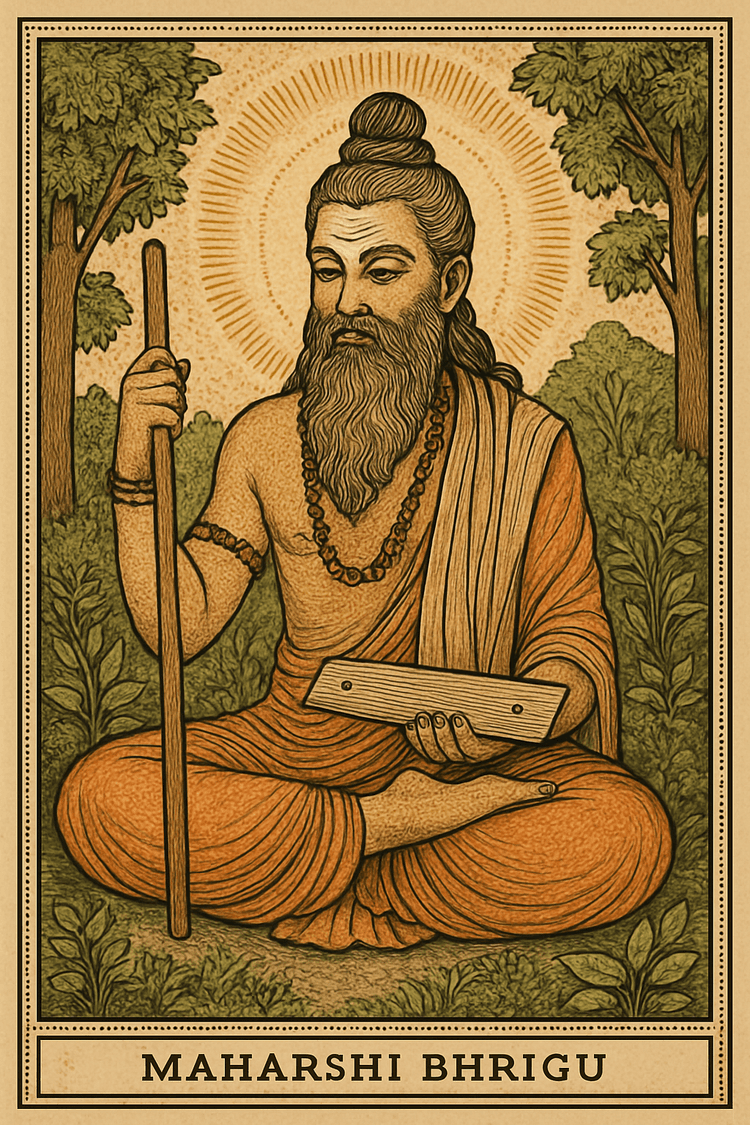
All Brahmin gotras known today trace their roots to seven original clans of the Vedic era: Bhargava, Angiras, Atreya, Kashyap, Vasishtha, Agastya, and Kaushik. Among these, Bhargava, Atreya, and Kashyap are considered the oldest, founded respectively by sages Bhrigu, Atri, and Kashyap, contemporaries of Vaivasvat Manu. Maharshi Bhrigu, being the originator of Agni Kriya, was also known as Atharvan and Angiras. For this reason, his descendants were initially recognized by both names—Bhargava and Angiras.
Gotra and Kul Devi
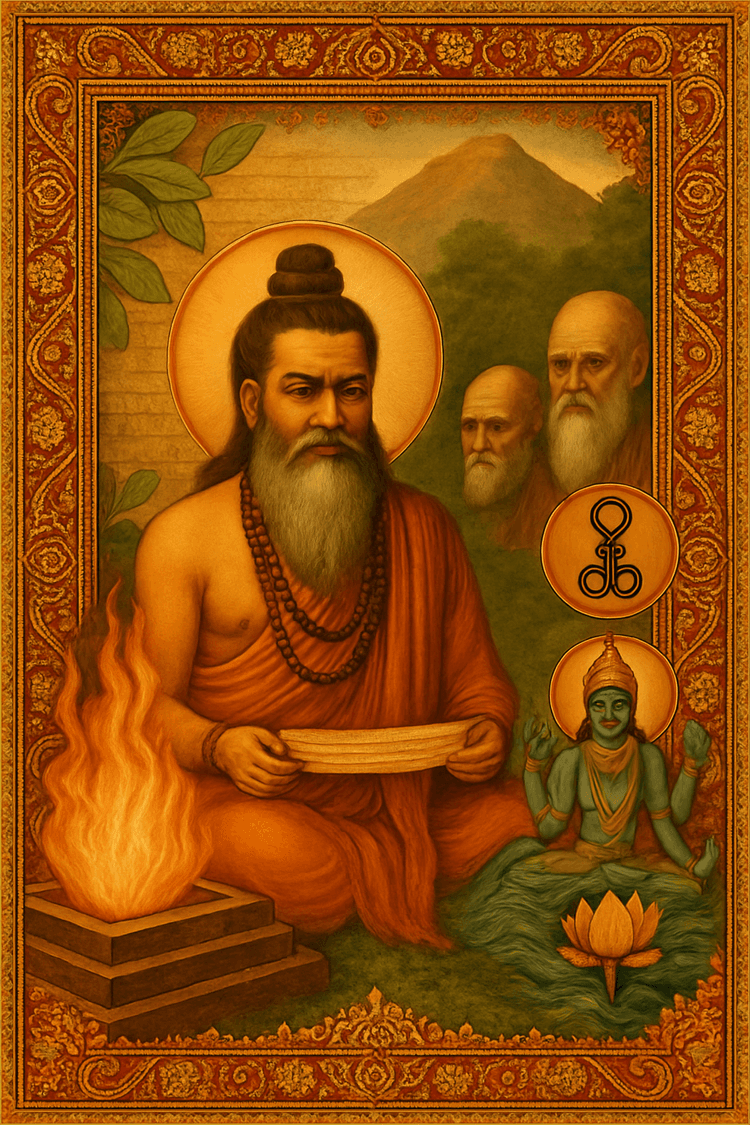
Maharishi Bhrigu, the revered sage of the Rigvedic era, is regarded as the founder of the Bhargava clan. According to ancient belief, Brahma created nine Manasputras for the purpose of creation, one of whom was Bhrigu. It is said that he emerged from the sacred fire of Brahma's Yajna and was later adopted by Varun, earning him the name Bhriguvarni. His descendants came to be known as Bhargavas. We trace our lineage to Chyavan Rishi, son of Maharishi Bhrigu, whose penance ground was Dhosi hill on the banks of the Vadhusar river. From this region, our ancestors came to be known as Dhusar Bhargava Brahmins—today simply recognized as Bhargavas.
In the Vedic age, all Brahmins were considered one community, later divided into seven principal clans: Bhargava, Angiras, Atreya, Kashyap, Vashishtha, Agastya, and Kaushik. Of these, the Bhargava lineage is the oldest. Over time, Brahmins were further identified by the regions they inhabited—Saraswats of the Saraswati valley, Gauds of Haryana, Kanyakubjas of Kannauj, Maithils of Bihar, Utkals of Odisha, and five groups south of the Vindhyas: Gurjar, Maharashtrian, Telang, Karnatak, and Dravid. From these divisions, the Gaud Brahmins eventually gave rise to the Dhusar Bhargavas of the Chyavan lineage.
As society expanded, the Bhargava community established six main gotras, each named after ancient sages:
1. Kashyapi – Kashyap
2. Kochahasti – Kuchlash
3. Scholar – Bandulash
4. Gantoy – Ganglash
5. Galv – Gaulash
6. Vatsu – Bachlash
Traditionally, marriages within the same gotra were forbidden. However, as the community grew, finding suitable alliances became difficult. Nearly 500 years ago, our ancestors introduced the system of Kuldevi. Families within the same gotra adopted different Kuldevis, and marriage restrictions were shifted from gotra to Kuldevi. This practice continues today, with nearly 50–60 Kuldevis honored across the community, often remembered by their local names.
List of names of gotras, pravaras, kuladevis, vansh etc.
Family deity - VarunVeda - Shukla YajurvedaUpveda - Dhanurveda
Dynasty - BhargavaSub Dynasty - ChyavanFoot - Right
Exit or origin of ancestors - Dhosi


Kota Bhargava Sabha, Kota
Welcome to the leading online network of Kota Bhargava Sabha - where tradition meets progress. As descendants of the revered Bhargava lineage, we come together to strengthen our bonds, celebrate our culture, and support each other's growth in an ever-evolving world.
Follow Us
