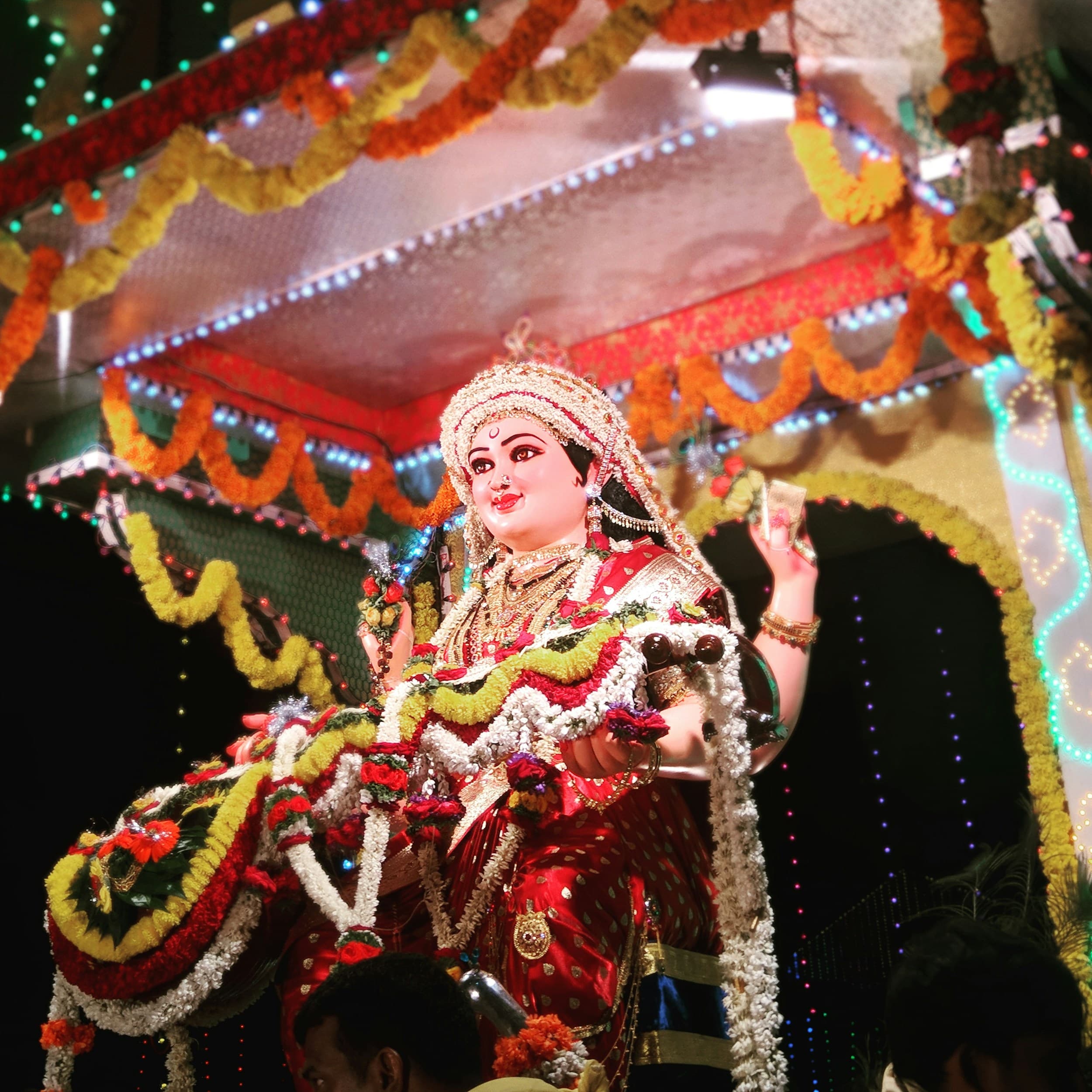
Festivals That Unite Us: Celebrating Together as a Community
-09 Sep 2025
The vibrant tapestry of festivals celebrated by the Bhargava community serves as a powerful force that binds us together, transcending individual differences and creating a shared sense of identity and belonging. Our rich tradition of celebrations, documented in our ancestral texts, reveals how each festival contributes to the strengthening of community bonds while preserving our cultural heritage for future generations.
The Foundation of Community Unity
Our festival calendar begins with Naya Samvat during Navratri, marking the Hindu New Year with nine days of Durga worship. This celebration sets the tone for the entire year, bringing families together in collective prayer and establishing the community rhythm that will guide us through the seasons. The practice of establishing a kalash (sacred pot) in homes and the communal participation in evening prayers demonstrates how individual household worship extends into community-wide celebration.
The spirit of togetherness is beautifully exemplified during Gangaur, where married women come together to worship Goddess Gauri for marital bliss and family prosperity. This festival showcases how gender-specific traditions create their own communities within the larger framework, fostering relationships among women while teaching younger generations about devotion and family values.
Seasonal Celebrations That Bind Communities
Our festivals follow the natural rhythm of seasons, creating multiple opportunities throughout the year for community gathering. Hariyali Teej and Hariyali Amavas celebrate the monsoon season, when families traditionally gather to welcome the rains that sustain life. During these festivals, the preparation of traditional foods like ghewar and imarti becomes a community activity, with recipes passed down through generations and shared among neighbors.
Makar Sankranti, our harvest festival, exemplifies community celebration at its finest. The tradition of giving "vat" (gifts) to family members while reciting humorous couplets creates an atmosphere of joy and laughter that extends beyond individual households. The community comes together to fly kites, prepare traditional sweets like til-gud laddu, and share the bounty of the harvest season.
Sacred Bonds: Raksha Bandhan and Bhai Dooj
Two festivals that particularly strengthen family and community bonds are Raksha Bandhan and Bhai Dooj (Yama Dwitiya). Raksha Bandhan not only celebrates the brother-sister relationship but also honors the memory of Shravan, whose devotion to his parents teaches us about service to elders. The festival extends beyond blood relations, as sisters tie rakhi to cousin brothers and family friends, expanding the circle of protection and care within the community.
Bhai Dooj further reinforces these bonds with elaborate traditions where sisters perform aarti for their brothers' long life and prosperity. The story of the seven sisters and their beloved brother reminds us that family relationships are the foundation upon which strong communities are built.
Spiritual Unity Through Collective Worship
Festivals like Krishna Janmashtami and Maha Shivratri bring the entire community together in spiritual celebration. During Janmashtami, the tradition of breaking the dahi-handi and the midnight celebration of Lord Krishna's birth creates an atmosphere where age and social distinctions dissolve in collective devotion. Similarly, Shivratri's night-long jagran (vigil) sees community members gathering in temples and homes, singing bhajans and sharing stories that reinforce our spiritual values.
Diwali, our most celebrated festival, transforms entire neighborhoods into glowing celebrations of light over darkness. The tradition of lighting diyas, preparing elaborate feasts, and visiting each other's homes strengthens community bonds while the Lakshmi puja brings prosperity wishes for all. The community preparation for Diwali, from cleaning homes to preparing sweets, becomes a shared endeavor that unites households in common purpose.
Women's Festivals: Creating Supportive Networks
Several festivals in our tradition are specifically designed to strengthen bonds among women in the community. Karva Chauth brings together married women in collective fasting and prayer for their husbands' long life. The sharing of stories, preparation of traditional foods, and the group celebration when the moon rises creates lasting friendships and support networks among women.
Ahoi Ashtami, celebrated by mothers for their children's welfare, and Haritalika Teej, observed by women seeking Lord Shiva's blessings for an ideal husband, demonstrate how festivals create specialized communities within the larger framework, addressing specific concerns while maintaining overall unity.
Educational and Cultural Transmission
Our festivals serve as powerful vehicles for cultural education and transmission. Rishi Panchami honors the seven great sages (Saptarishi) and connects us to our Bhargava lineage, reminding community members of their scholarly heritage. Vasant Panchami celebrates knowledge through Saraswati worship, encouraging education and learning within the community.
The storytelling tradition associated with each festival ensures that moral values and cultural knowledge pass from one generation to the next. Whether it's the tale of Prahlad during Holi, the story of devotion during Vat Savitri (Bargadi Amavas), or the lessons of Satyanarayan worship, these narratives create a shared cultural vocabulary that unites community members across age groups.
Economic and Social Cooperation
Many festivals incorporate elements that promote economic cooperation and social support within the community. The tradition of dan-dakshina (charitable giving) during various festivals ensures that prosperity is shared and that no community member is left behind during celebrations. Akshaya Tritiya specifically emphasizes donation and charity, while Dhanteras encourages prosperity through community support.
The preparation of festival foods often becomes a community enterprise, with families sharing ingredients, recipes, and labor. During Govardhan Puja (Annakoot), the preparation of 56 different dishes (Chhappan Bhog) requires extensive cooperation and sharing among community members.
Environmental and Agricultural Connections
Our festivals maintain strong connections to agriculture and environment, reinforcing our community's relationship with nature. Ganga Dashahara celebrates the descent of the sacred river, while Nag Panchami honors the serpents that protect crops. Akshaya Navami with its amla (gooseberry) worship connects us to the medicinal properties of plants and trees.
These nature-centered celebrations remind the community of our dependence on the environment and create shared responsibility for its protection and preservation.
Contemporary Relevance and Adaptation
While rooted in ancient traditions, our festivals continue to adapt to contemporary needs while maintaining their essential community-building functions. Modern celebrations might incorporate technology for connecting distant family members, but the core values of togetherness, sharing, and mutual support remain unchanged.
The festival calendar provides regular opportunities for community members to reconnect, whether they live in the same locality or are scattered across different cities and countries. These celebrations serve as anchor points that maintain community identity and cohesion in an increasingly globalized world.
Conclusion: The Eternal Cycle of Unity
The festivals of the Bhargava community represent more than mere celebrations; they constitute a sophisticated system of social bonding that has sustained our community for generations. Through the annual cycle of festivals, from the spring celebrations of Holi and Navratri to the winter lights of Diwali and the harvest joy of Makar Sankranti, we create and recreate the bonds that define us as a community.
Each festival contributes its unique thread to the larger tapestry of community life. Whether through the devotional unity of Janmashtami, the family bonds strengthened during Raksha Bandhan, the women's solidarity of Karva Chauth, or the universal celebration of Diwali, our festivals ensure that individual lives remain connected to the larger community fabric.
As we continue to celebrate these festivals in the modern era, we honor not just the divine beings and cosmic forces they commemorate, but also the wisdom of our ancestors who understood that regular community celebration is essential for social cohesion, cultural transmission, and collective well-being. Our festivals remind us that while individual achievements matter, it is in coming together as a community that we find our greatest strength and joy.
In preserving and celebrating these traditions, we ensure that future generations of the Bhargava community will continue to experience the profound sense of belonging and unity that these festivals create. They are our living heritage, our source of identity, and our promise of continuity in an ever-changing world.

Kota Bhargava Sabha, Kota
Welcome to the leading online network of Kota Bhargava Sabha - where tradition meets progress. As descendants of the revered Bhargava lineage, we come together to strengthen our bonds, celebrate our culture, and support each other's growth in an ever-evolving world.
Follow Us
